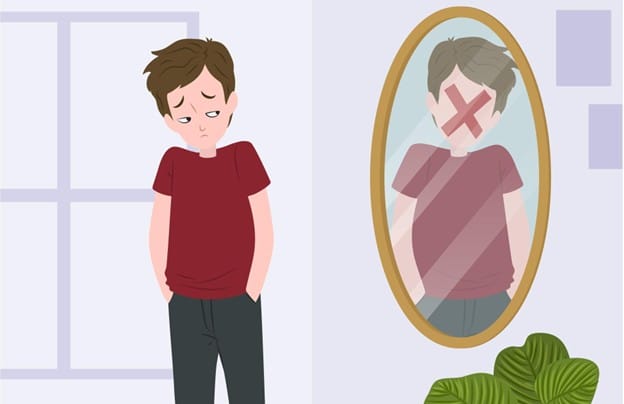
“Why do I still feel like I am not enough, even when I am doing everything right?”
Many adults live with this quiet question in the background of their lives. They show up, meet expectations, and carry responsibility well, yet something still feels off. Low self-worth rarely looks dramatic. More often, it hides behind overthinking, people pleasing, and the constant pressure to prove your value.
Self-esteem in adulthood is not about appearing confident or self-assured to others. It is about how you relate to yourself when plans fall apart, when mistakes happen, or when approval is not guaranteed. When self-worth is low, it can subtly influence emotions, relationships, and choices without being obvious.
Let’s explore the signs that low self-esteem may be holding you back and explain how self-esteem therapy for adults can help you build a steadier, more supportive relationship with yourself over time.
Key Takeaways
- Self-esteem in adulthood is about how you relate to yourself, not how confident or booming you appear to others.
- Low self-worth often shows up in subtle emotional and behavioral patterns that many adults mistake for personality traits.
- Unhealthy self-beliefs can shape relationships, work choices, and mental health over time without being obvious.
- Self-esteem therapy focuses on understanding and changing the root patterns, not forcing positive thinking.
- Support can help you build a steadier sense of self that carries into daily life, not just therapy sessions.
What Self-Esteem Really Means in Adulthood
Self-esteem in adulthood is about having a steady sense that you matter, even when you make mistakes or fall short of expectations. It develops over time through emotional experiences, relationships, and how you learn to respond to challenges. Because self-worth is shaped by many parts of life, therapy often benefits from a collaborative care approach that looks at the whole person rather than focusing on one issue in isolation.
Understanding self-esteem is easier when you look at how it differs from confidence, since the two are often confused but affect adults in very different ways.
To understand the difference:
- Confidence relates to what you can do and how capable you feel in specific situations.
- Self-esteem reflects how you see yourself when things do not go as planned.
As adults, our sense of self-worth develops over many years. It is shaped through lived experiences such as:
- Family dynamics and early messages about value
- Past relationships and attachment patterns
- Work environments and performance pressure
- How we learned to cope with stress and failure
Over time, beliefs about being good enough or not become automatic. They influence how we interpret feedback, how we speak to ourselves, and when it feels safe to be authentic. In integrated care models, self-esteem therapy considers emotional health, relationships, and daily functioning together rather than in isolation.
Common Signs Low Self-Worth May Be Affecting Your Daily Life
Low self-worth does not usually announce itself clearly. Instead, it shows up through familiar patterns often discussed in self-esteem therapy. These signs are not flaws. They are learned responses that once served a purpose.
1. Emotional Signs
Not feeling good about yourself can affect how you experience emotions throughout the day. These feelings may be constant or appear in specific situations.
Some emotional signs include:
- Ongoing self-doubt, even when others offer reassurance
- Feeling undeserving of rest, care, or positive attention
- Guilt after setting limits or saying no
- Anxiety connected to needing approval or avoiding disappointment
- Emotional exhaustion from constantly trying to meet expectations
2. Behavioral Signs
The way you act in daily life often reflects how you feel about yourself internally. Low self-worth can quietly shape habits and choices, which self-esteem therapy helps bring into awareness.
You might notice patterns such as:
- People pleasing to keep others comfortable
- Overworking or tying your value to productivity
- Avoiding new opportunities due to fear of judgment
- Staying in toxic relationships that feel unbalanced or draining
- Struggling to ask for help, even when overwhelmed
These behaviors are often attempts to feel safe, accepted, or valued, even when they cost you emotionally.
3. Mental Patterns
Thought patterns play a major role in maintaining low self-esteem. These background thought patterns are often explored in psychoanalytic therapy, which focuses on understanding how past experiences influence present thinking.
Common mental patterns are:
- A critical inner voice that is quick to judge mistakes and question everything
- Perfectionism used as protection from criticism
- Constant comparison to others
- Overthinking choices and replaying conversations
- Expecting negative outcomes before they happen
Over time, these thoughts can limit growth and reinforce the belief that you are not enough.
How Self-Esteem Therapy Helps Adults
Self-esteem therapy focuses on understanding how inner beliefs shape emotions, choices, and relationships. Through individual therapy, adults receive structured, compassionate support that helps them recognize unhelpful patterns and build a healthier relationship with themselves.
This process is practical, reflective, and grounded in real-life experiences, not quick fixes.
Identifying Core Beliefs
Many self-esteem struggles begin with beliefs formed early in life through family dynamics, school experiences, or past relationships. These beliefs often operate quietly in the background, influencing decisions and self-talk.
In individual therapy, clients explore where these beliefs came from and how they affect current behavior. Recognizing that these beliefs were learned, not facts, opens the door to meaningful change.
Challenging Unhelpful Thought Patterns
Therapy often uses Cognitive Behavioral Therapy to help clients notice how automatic thoughts influence emotions and actions. CBT teaches adults to slow down negative thinking, question its accuracy, and replace it with more balanced perspectives.
This process reduces emotional reactivity and supports confidence therapy by helping thoughts become more supportive rather than self-critical.
Building Self-Trust and Emotional Awareness
Low self-esteem can cause people to dismiss or ignore their emotions. Therapy helps adults reconnect with their emotional experiences in a safe way. By learning to recognize feelings and understand what they signal, clients begin to trust themselves more. This increased self-trust supports clearer decision-making and emotional stability.
Strengthening Boundaries and Self-Respect
Struggles with self-worth often show up as weak or inconsistent boundaries. In therapy, clients learn how to identify their limits, communicate needs, and address the fear that comes with saying no.
As boundaries improve, relationships become healthier and more balanced. Over time, honoring personal limits strengthens self-respect and confidence.
Conclusion
Low self-worth can quietly limit how you show up in your life, even when you are capable. The good news is that self-esteem is not fixed. It can change with the right support and understanding. Self-esteem therapy offers a space to slow down, explore patterns, and build a steadier sense of self over time.
At Embolden Therapy and Wellness, we work alongside adults who want to feel more grounded, confident in their choices, and kinder to themselves. Book an appointment today!
FAQs
How do I know if I need self-esteem therapy?
If self-doubt, people pleasing, or harsh self-criticism regularly affect your relationships, work, or emotional well-being, therapy may be helpful. You do not need a crisis to seek support.
Can self-esteem therapy help with anxiety or depression?
Yes. Low self-worth often contributes to anxiety and depression. Addressing underlying self-beliefs can support improvement in mood and emotional stability.
What if I feel nervous about starting therapy?
Feeling nervous is common. We focus on creating a supportive and respectful space where you can move at a pace that feels comfortable to you.
How long does the therapy usually take?
The length varies based on individual goals and experiences. Many clients notice gradual changes over time as new patterns are practiced consistently.
Is self-esteem therapy only talk-based?
While conversation is important, therapy often includes practical tools, reflection, and skill-building to support change outside of sessions.